Joint Replacement Surgery: Everything You Need to Know
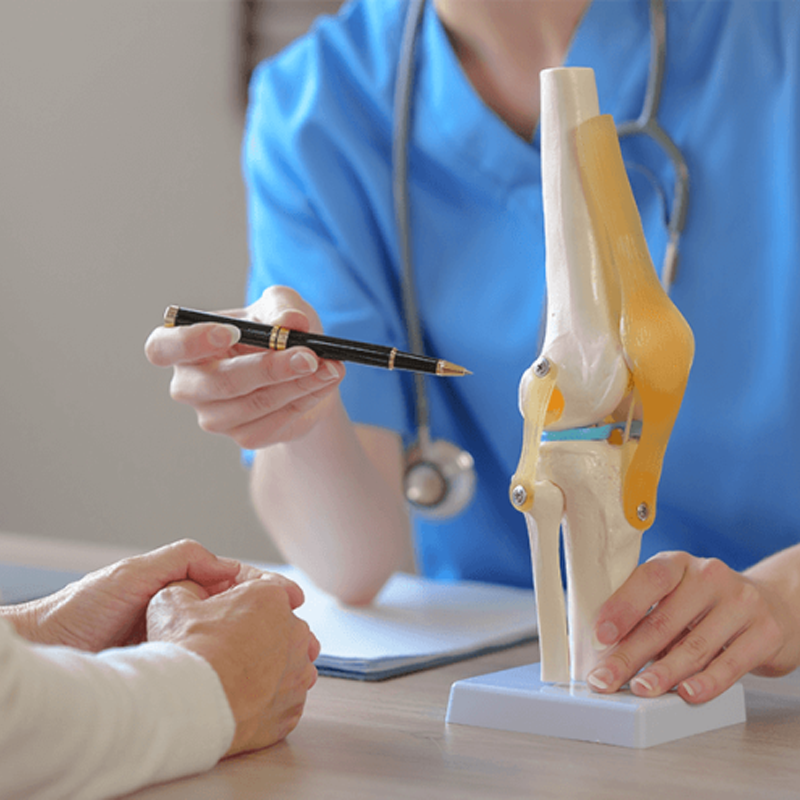
Joint pain can significantly affect your daily life, making simple activities like walking, sitting, or climbing stairs difficult. When medications and therapies no longer provide relief, joint replacement surgery becomes an effective solution to restore mobility and reduce pain.
This blog explains what joint replacement surgery is, when it is needed, and what to expect before and after the procedure.
What is Joint Replacement Surgery?
Joint replacement surgery is a procedure in which a damaged or worn-out joint is replaced with an artificial implant. These implants are designed to mimic the natural movement of the joint, allowing smoother and pain-free motion.
The most commonly replaced joints include the knee, hip, and shoulder.
When is Joint Replacement Recommended?
Joint replacement is usually advised when:
- Severe joint pain affects daily activities
- Joint stiffness limits movement
- Non-surgical treatments do not provide relief
- There is advanced arthritis or joint damage
- Sleep is disturbed due to persistent pain
Conditions That May Require Joint Replacement
- Osteoarthritis
- Rheumatoid arthritis
- Post-traumatic arthritis
- Severe fractures affecting joints
- Avascular necrosis (loss of blood supply to bone)
Types of Joint Replacement
- Total Joint Replacement: Entire joint is replaced
- Partial Joint Replacement: Only the damaged portion is replaced
- Revision Surgery: Replacement of a previously implanted joint
Benefits of Joint Replacement Surgery
- Significant reduction in pain
- Improved mobility and flexibility
- Better quality of life
- Ability to perform daily activities comfortably
- Long-lasting results with proper care
Procedure Overview
The surgery is performed using advanced techniques:
- The damaged joint surfaces are removed
- The joint is prepared for the implant
- Artificial components are placed
- The joint is aligned for smooth function
The duration of surgery depends on the joint and complexity of the case.
Recovery and Rehabilitation
Recovery is a gradual process and includes:
- Early movement under medical supervision
- Physiotherapy to regain strength and mobility
- Gradual return to daily activities
- Full recovery over a few weeks to months
Following rehabilitation protocols is essential for long-term success.
Risks and Considerations
Like any surgical procedure, joint replacement carries some risks:
- Infection
- Blood clots
- Implant wear over time
- Temporary stiffness
However, with proper care and expert treatment, complications are minimal.
Tips for Long-Term Success
- Follow physiotherapy exercises regularly
- Maintain a healthy weight
- Avoid high-impact activities
- Attend regular follow-ups
- Adopt a joint-friendly lifestyle
When to Consult a Specialist
You should consider consulting an orthopedic specialist if:
- Joint pain is persistent and worsening
- Movement becomes difficult
- Daily activities are affected
- Other treatments are not effective