Ligament Injury: Causes, Symptoms, Treatment and Recovery Guide
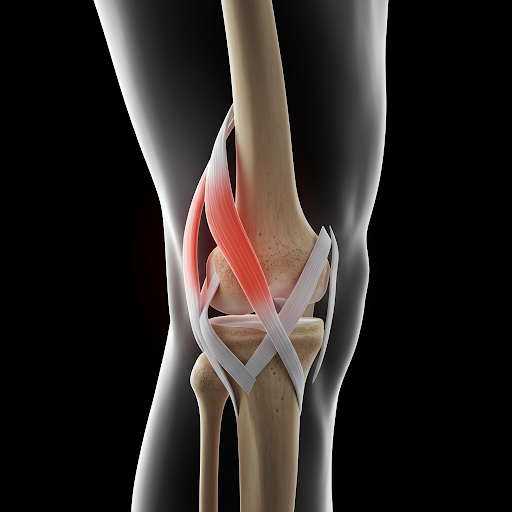
Ligament injuries are one of the most common orthopedic problems, especially among people involved in sports or physical activities. These injuries can range from mild sprains to complete tears, affecting joint stability and daily movement.
Understanding ligament injuries, their causes, symptoms, and treatment options can help in early diagnosis and faster recovery.
What is a Ligament Injury?
Ligaments are strong, flexible bands of tissue that connect bones and stabilize joints. When a ligament is stretched beyond its limit or torn, it results in a ligament injury.
These injuries most commonly affect joints such as the knee, ankle, shoulder, and wrist.
Common Causes of Ligament Injuries
Ligament injuries can occur due to various reasons, including:
- Sudden twisting or awkward movements
- Sports activities such as football, cricket, or running
- Falls or accidents
- Direct impact on a joint
- Overuse or repetitive stress
Athletes and physically active individuals are at higher risk, but ligament injuries can happen to anyone.
Types of Ligament Injuries
Ligament injuries are usually classified based on severity:
- Grade 1: Mild stretching with slight pain and swelling
- Grade 2: Partial tear with moderate pain and instability
- Grade 3: Complete tear with severe pain, swelling, and joint instability
Common Symptoms
Symptoms may vary depending on the severity and location of the injury:
- Pain around the joint
- Swelling and bruising
- Instability or feeling that the joint may give way
- Limited range of motion
- Difficulty in walking or using the affected joint
Diagnosis
Accurate diagnosis is essential for proper treatment. It usually includes:
- Physical examination
- Patient history
- Imaging tests such as X-ray or MRI (if required)
Early diagnosis helps prevent further damage and speeds up recovery.
Treatment Options
Treatment depends on the severity of the injury:
Non-Surgical Treatment
- Rest and activity modification
- Ice application to reduce swelling
- Compression and elevation
- Medications for pain relief
- Physiotherapy to restore strength and mobility
Surgical Treatment
In severe cases, especially complete ligament tears, surgical procedures such as arthroscopy may be required to repair or reconstruct the ligament.
Recovery and Rehabilitation
Recovery time varies depending on the severity of the injury:
- Mild injuries may heal within a few weeks
- Moderate injuries may take several weeks to months
- Severe injuries requiring surgery may need longer rehabilitation
A structured physiotherapy program is essential for restoring strength, flexibility, and joint stability.
Tips to Prevent Ligament Injuries
- Warm up before physical activity
- Use proper techniques during sports
- Wear appropriate footwear
- Strengthen muscles around joints
- Avoid sudden movements or overexertion
When to Consult a Doctor
You should seek medical attention if you experience:
- Severe pain or swelling
- Inability to move the joint
- Joint instability
- No improvement with rest
Early treatment ensures better recovery and reduces the risk of long-term complications.