Knee Pain: Causes, Treatment Options and When to See a Doctor
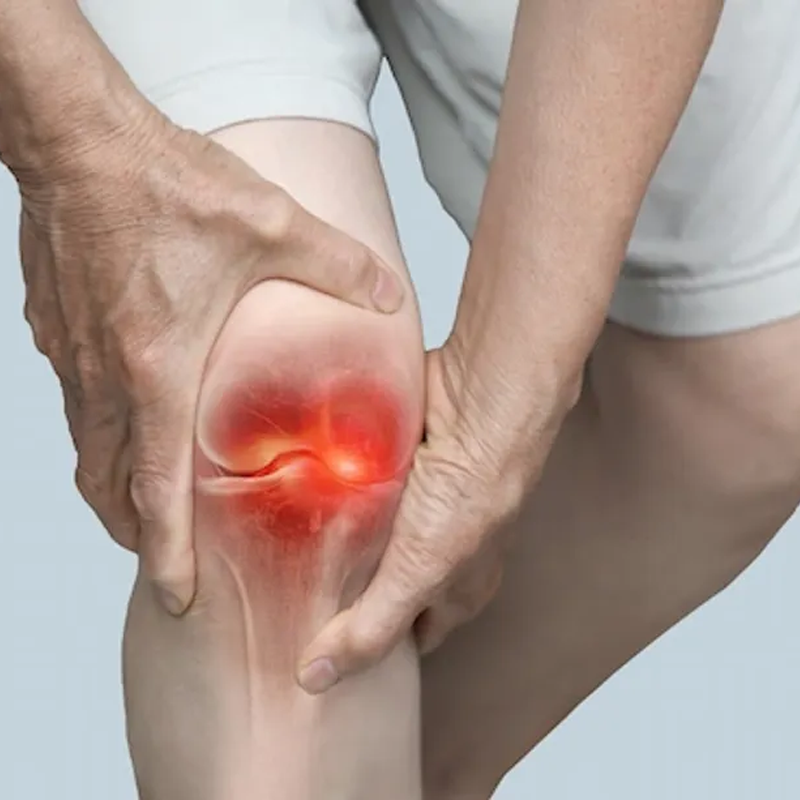
Knee pain is a common problem that can affect people of all ages. It may result from injury, overuse, or underlying medical conditions. Whether mild or severe, knee pain can interfere with daily activities such as walking, climbing stairs, or sitting comfortably.
Understanding the causes and treatment options can help in managing the condition effectively and preventing further complications.
Common Causes of Knee Pain
Knee pain can occur due to a variety of reasons, including:
- Ligament injuries such as ACL or MCL tears
- Meniscus (cartilage) damage
- Osteoarthritis due to age-related wear and tear
- Rheumatoid arthritis or other inflammatory conditions
- Tendonitis caused by overuse
- Fractures or direct injury to the knee
- Obesity leading to excess pressure on the joints
Symptoms of Knee Problems
The symptoms of knee pain may vary depending on the cause:
- Pain while walking or bending the knee
- Swelling and stiffness
- Reduced range of motion
- Instability or weakness in the knee
- Clicking or popping sounds
- Difficulty in straightening the knee
Diagnosis
Proper diagnosis is essential to identify the exact cause of knee pain. It usually includes:
- Detailed physical examination
- Review of medical history
- Imaging tests such as X-ray or MRI if required
Early diagnosis helps in planning effective treatment and avoiding long-term damage.
Treatment Options
Non-Surgical Treatment
Many cases of knee pain can be managed without surgery:
- Rest and activity modification
- Ice application to reduce swelling
- Medications for pain relief
- Physiotherapy to strengthen muscles
- Weight management to reduce joint stress
Surgical Treatment
In cases where conservative treatment does not provide relief, surgical options may be recommended:
- Arthroscopy for minor repairs
- Ligament reconstruction
- Knee replacement surgery in advanced cases
Recovery and Care
Recovery depends on the cause and severity of the condition:
- Mild conditions improve within a few weeks
- Moderate injuries may take several weeks to months
- Post-surgery recovery requires structured rehabilitation
Following medical advice and physiotherapy is essential for long-term results.
Tips to Prevent Knee Pain
- Maintain a healthy weight
- Exercise regularly to strengthen muscles
- Use proper techniques during physical activities
- Avoid sudden stress on the knee joint
- Wear supportive footwear
When to See a Doctor
Consult a specialist if you experience:
- Persistent or severe knee pain
- Swelling that does not reduce
- Difficulty in walking or bearing weight
- Knee instability or locking
- Pain after an injury